From answers to insight: how municipalities use surveys on Hoplr


A public vote in Mons, a survey about waste collection in Terneuzen, or a question about making Pepingen more dementia-friendly: local participation takes many forms. Recent surveys on Hoplr show that variety. They also raise an important follow-up question: what can you learn from the answers, and how do you make that visible to residents?
A questionnaire usually starts with a practical question. Which option do people prefer? How do residents experience a service? What do people in a particular neighborhood need?
The numbers can vary considerably. In a selection of recent Hoplr surveys, the public vote for the Prix Mercure in Mons has 4,725 recorded results. The waste collection survey in Terneuzen has 652. The survey about a dementia-friendly Pepingen stands at 24.
Those figures reflect different objectives. That is what makes these examples interesting: they show how one survey environment can support both a broad public vote and a focused local consultation.
Mons: a clear choice for a broad audience
The City of Mons has 4,725 recorded results for Prix Mercure 2026 – Vote du public. It is an example of a public vote that generated a substantial amount of input.
A public vote has a clear structure: participants are given options and indicate their preference. The question is specific and the purpose is easy to understand. The carnival poster competition, with 2,704 results, also shows that local participation can have a cultural or festive starting point.
For votes like these, what happens next deserves particular attention. Which option was selected? What rules apply? When will participants hear the outcome? Explaining in advance what a vote means makes it easier to show afterward how the outcome was reached.
Explore the projects and surveys on the Mons participation platform.
Terneuzen: gathering experiences of an everyday service
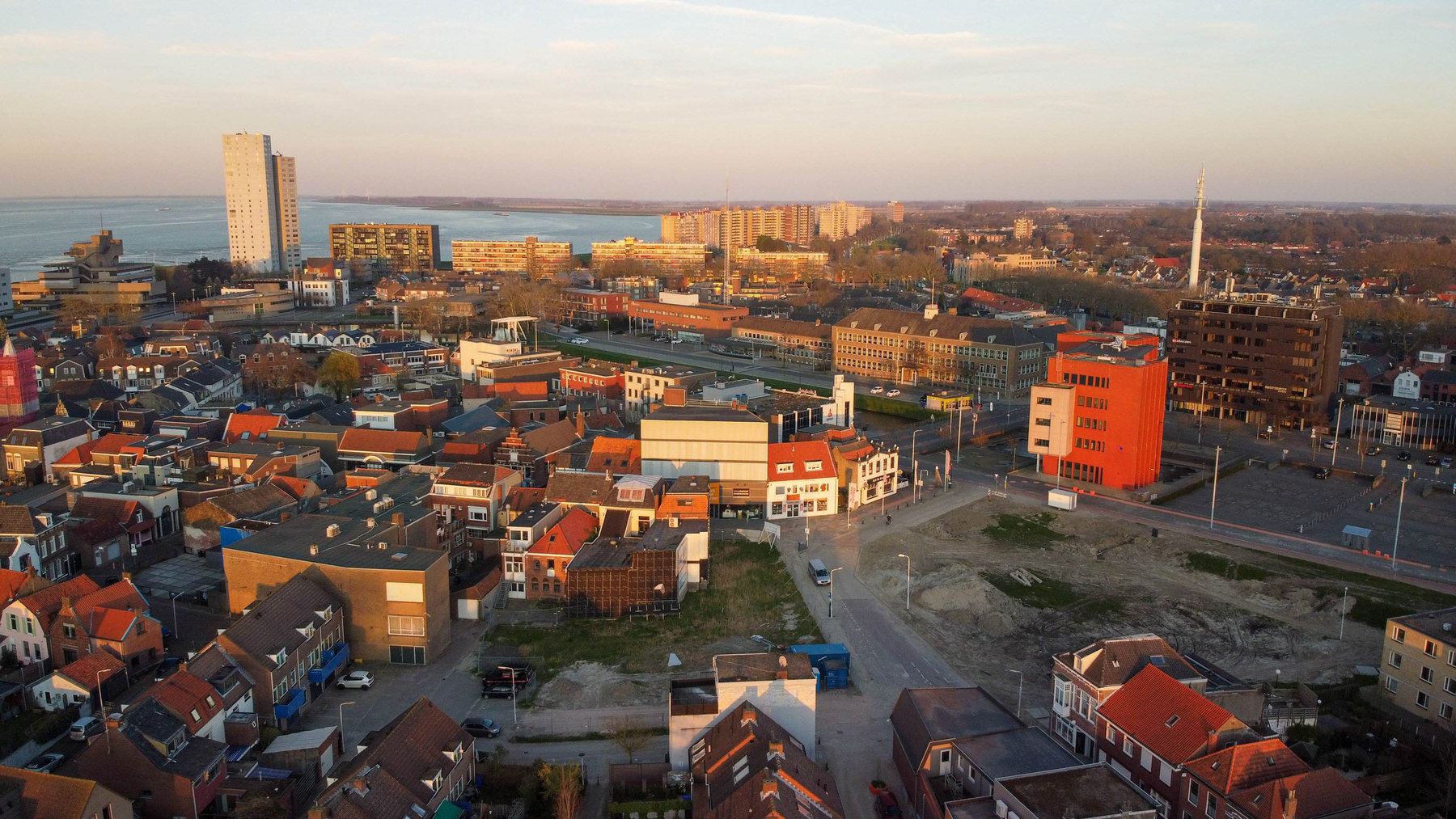
The municipality of Terneuzen invited residents to share their views on waste collection in the municipality. This survey has 652 recorded results.
Waste collection is a service residents encounter in their daily lives. A survey can bring their experiences and preferences into policy preparation or evaluation.
The substantive work starts as soon as the answers arrive. Which questions provide a clear picture? Where do experiences differ? Which comments need clarification? The number of results tells you how much input is available; the content determines what the municipality can do with it.
The result count alone does not answer those questions. That requires analysis of the actual answers. This is the step that turns a collection of comments into useful information for policy.
Discover local participation initiatives on Doe mee in Terneuzen, the municipality’s participation platform.
Pepingen and Opwijk: focused questions need an appropriate measure of success
The survey about a dementia-friendly Pepingen has 24 recorded results. The invitation to help shape Opwijk’s guide for older residents has 18.
For a focused survey, even a limited number of answers can provide useful starting points. Think of a missing topic, an unclear explanation, or a practical barrier that needs further investigation. These are examples of what such surveys can reveal, rather than established findings from these two surveys.
Assessment starts with the objective and the intended audience. Whose views did you want to hear? Were those people reached? Is more input needed? A small survey can provide a useful starting point for a conversation, while broader policy conclusions need more evidence.
Also explore the local Hoplr platforms Buurtconciërge Pepingen and Opwijk vraagt het aan.
The survey analysis agent helps interpret answers
Hoplr supports short questionnaires and more extensive surveys. Teams can view, visualize, and export results. For more advanced projects, Surveys+ includes features such as routing and verified participation.
The survey analysis agent supports analysis through an academic and methodological approach. It helps teams move from answers to insights. Staff remain responsible for interpretation and conclusions.
Good analysis therefore connects three elements: the original question, the answers collected, and the decision they are intended to inform. A clear chart can help. The accompanying explanation shows how to interpret the result.
For a public vote, for example, the focus is on the distribution of preferences under the agreed rules. For a policy consultation, the experiences and considerations behind an answer also matter. In a local evaluation, a single specific comment may be a reason to investigate something further.
Make clear what the numbers mean
A large number of results does not automatically make a survey representative. How participants were reached and who ultimately took part also determine which conclusions can reasonably be drawn. AI analysis does not change that.
Be precise when reporting back. For example, write “among participants in this survey” when that is the group the findings refer to. Explain what additional information you are considering and which questions remain open.
Terminology matters too. The number of recorded results, the number of unique participants, and the number of people who saw an invitation measure different things. A response rate also needs a clear denominator. Make sure colleagues and residents understand which figure they are looking at.
Help residents follow what happens next
Plan how you will report back while designing the survey. Explain when the results will be discussed, who will weigh the options, and where residents can follow the next step.
Useful feedback answers four questions:
- What did we ask, and who took part?
- What insights can we draw from the answers?
- What will we take forward?
- What can we not take forward, and why?
This creates a clear process: ask a question, listen, interpret, and show what happens with the input. The next survey can then build on that relationship.
Want to consult residents and make thoughtful use of their answers? Explore citizen participation with Hoplr.
Frequently asked questions
What can municipalities use Hoplr’s survey module for?
The examples in this article show different uses: public voting, input for policy, and focused local consultations. Start with the question you want to answer and explain in advance how you intend to use the findings.
What does the survey analysis agent do?
The agent supports survey analysis and interpretation. Your team uses the insights to discuss patterns and assess conclusions. Staff remain responsible for reviewing the research design and making the final decisions.
How many answers does a survey need to be useful?
That depends on the objective, the intended audience, and how participants were selected. A small group can provide specific signals. Conclusions about an entire municipality require an appropriate research design; a high number of answers alone is not enough.
Can we share survey results with colleagues and residents?
Hoplr offers basic statistics, visualization, and results export. Add a clear explanation when sharing: who took part, what do the findings mean, and what happens next? This helps make the results useful for the next stage.
Share this article