Welcoming international newcomers: 5 tips for municipalities

International newcomers can find local connections more easily when a municipality combines digital information with a personal welcome. Introduce the neighborhood network early: during registration, through local partners and at in-person events.
Here’s a summary of what they shared with us to maximize expat onboarding, amongst other client’s testimonials:
1. The “First Touch” Physical Strategy
Expats are often overwhelmed with paperwork upon arrival. This is the moment they are most likely to pay attention to official municipality communications.
The welcome kit: ensure a Hoplr letter or flyer, always with a QR code sticker, is included in the physical “Welcome Kit” provided by the municipality’s population department when they register their residency.
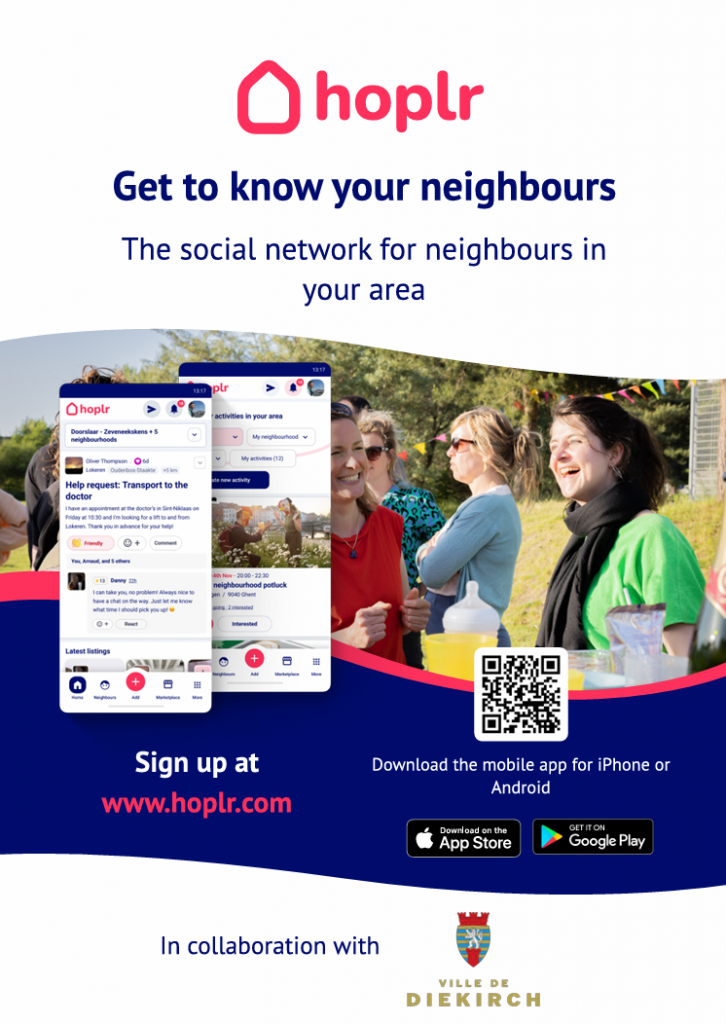
QR codes at City hall: place visible signage in the waiting areas of the “International/Expat Office” within the municipality. A simple message like “Want to meet your new neighbors? Join Hoplr” works wonders.
Utility & mailbox stickers: work with local property managers or “Expats Houses” to place a small invitation sticker on the mailboxes of rental units known for high turnover.
2. Strategic Digital Partnerships
Expats usually join specific online groups before they even move. You need to meet them where they are already searching for help.
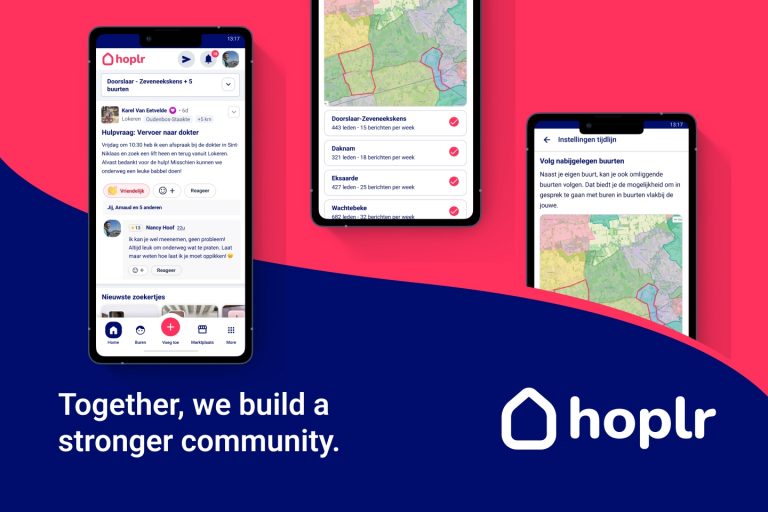
Municipality website integration: ensure the “Newcomer” or “Expat” section of the official city website features a direct link to the Hoplr neighborhood map. Add the Hoplr icon next to the other social media icons, as a shortcut.

The “moving to” Facebook groups: have the municipality’s community manager post periodically in “Expats in [your city]” Facebook groups. Frame it as the official, private way to bypass the noise of social media and get real local help.
Relocation agencies: partner with HR departments of major local employers or relocation agencies. Provide them with a “Digital welcome PDF” that includes Hoplr as a recommended tool for social integration.
3. Incentive-Based Onboarding
Since expats often arrive with an empty house and a lack of social ties, use “needs-based” marketing.
The “borrow & lend” campaign: market Hoplr specifically as a place to borrow tools or household items (drills, ladders, etc.) that expats might not want to buy for a short-term stay.
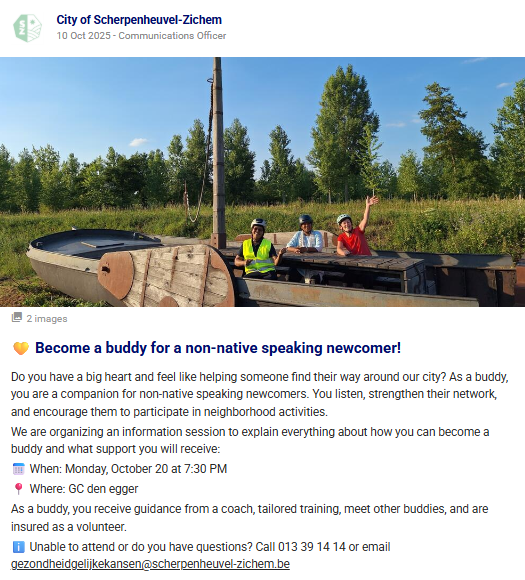
Buddy programs: launch a “Local Buddy” initiative on the platform. Current residents can “opt-in” to be a guide for newcomers, helping them navigate local trash collection, schools, or hidden gems.
4. Reducing the Language Barrier
For an expat, a platform that looks purely monolingual can be intimidating.
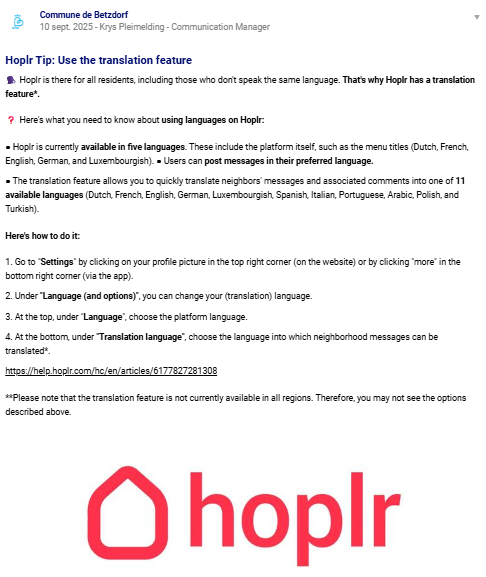
Multilingual “call to action”: even if the platform content is user-generated, the municipality’s invitation should be in English (and other prominent local languages).
Auto-translation awareness: clearly highlight that Hoplr has built-in translation features. If an expat knows they can read a Dutch or French post in English with one click, the barrier to entry vanishes.
5. Event-Driven Integration
Nothing drives app downloads like a real-world event.
Expat welcome drinks: organize a quarterly “Newcomer Drink” hosted by the municipality. Use the event to have people sign up for Hoplr on the spot so they can find the photos of the event or connect with the people they just met.
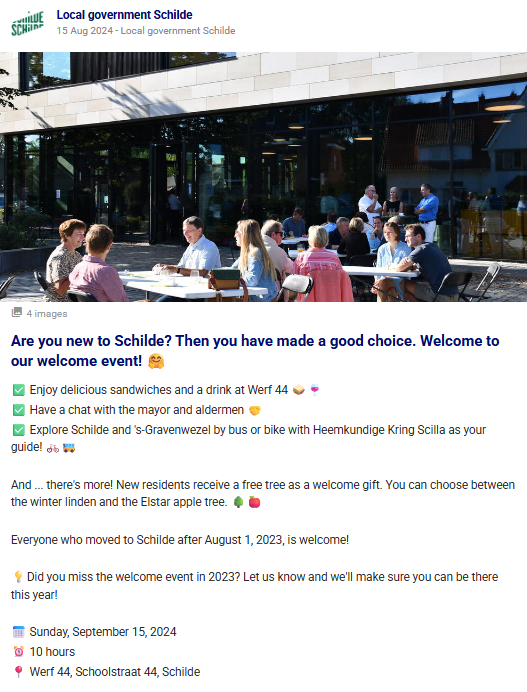
Neighborhood “tours”: use the platform to announce neighborhood walks specifically for new inhabitants, led by long-term residents or organized by the municipality.
Interested in learning more about the integration of expats in their new neighborhood? Contact us for a short call !
Frequently asked questions
When should a municipality introduce international newcomers to the neighborhood?
Make the network visible early, for example through a welcome pack and contact when residents register their address.
Which partners can help reach international residents?
Newcomer services, employers, relocation organizations and groups where newcomers already seek information can provide useful contact points.
How can municipalities reduce language barriers?
Use clear invitations and explain available language and translation features. Check whether the intended audience can understand the information.
Why are in-person welcome events still useful?
An event or neighborhood walk offers a first personal connection. The digital network can help people stay in touch afterward.
Share this article