City of Mechelen reaches more than 16,000 households via Hoplr


When the City of Mechelen joined forces with Hoplr in 2016 as one of the first cities, it was a leap into the unknown. Today, nearly ten years later, Mechelen has grown into an absolute pioneer and model city: more than 50% of all Mechelen households are connected to Hoplr. A milestone that illustrates the power of neighborhood communication and engagement.
Where it all began
In 2016, Mechelen started a pilot project in a few neighborhoods, including the Groot Begijnhof, Arsenaal, Battel, and Heihoek. Since Mechelen became one of the first cities to start working with the neighborhood platform in 2017, the city has grown into one of the most active communities in Belgium.

That early start laid the foundation for an impressive advance. The growth continued unabated in recent years, resulting in a historic milestone in 2025: more than half of all Mechelen households (53%) are now connected to the network.

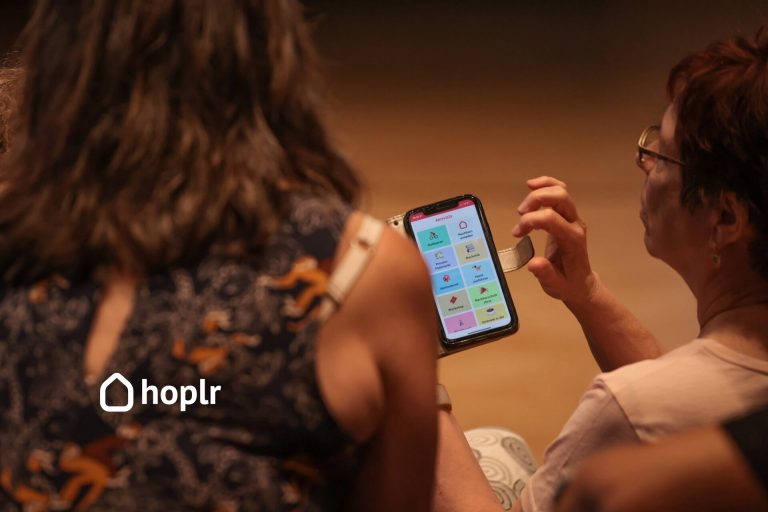
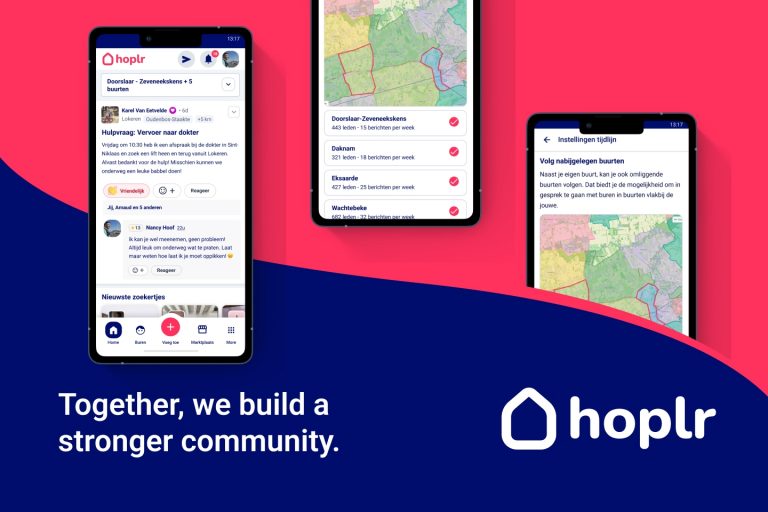
On Hoplr, residents of Mechelen exchange practical information, ask for help and share local initiatives. Their posts, comments and conversations show how the neighborhood network becomes part of everyday life in the city.
On Hoplr, neighborhood posts, requests for help and local initiatives become part of everyday life in Mechelen.
Neighborhood posts bring everyday life closer
On Hoplr, residents of Mechelen share practical questions, local tips and neighborhood initiatives. Topics range from roadworks and city updates to requests for help and local activities. The topics range from practical questions to warm initiatives:
- Roadworks and city info: residents share updates or questions about street works in their neighborhood.
- Spontaneous help: “Who has a ladder to lend?” or “Can someone let my cat in?”.
- Neighborhood initiatives: invitations to street parties, flea markets, group purchases, or volunteer actions.
- Local tips: “New bakery on the corner – really worth it!”
The result is a digital environment that is alive, where new conversations arise every day and where residents get the chance to truly know their neighborhood. The city itself also makes intensive use of the platform. The City of Mechelen also uses Hoplr for neighborhood communication, sharing updates about roadworks, events and local initiatives.
From neighborhood posts to conversations
The value of the neighborhood network also lies in what happens after a post is shared. Residents respond, exchange experiences, contribute ideas and help each other. For the City of Mechelen, these conversations offer insights into the questions and topics that matter in its neighborhoods.

These interactions turn Mechelen not into a platform city, but a conversation city. Residents answer, think along, encourage, or help each other further. For the City of Mechelen, this means a unique form of feedback and participation: policy that comes closer to the living environment of citizens.
“We notice that Hoplr is an accessible channel. People react spontaneously, give tips, and the conversation remains polite and constructive. That helps us as a city to really listen to what is going on.”
Dirk Mattheeuws, participation project staff member
Neighbors helping neighbors through Hoplr
Hoplr gives residents of Mechelen a place to ask for and offer help in their neighborhood. It brings everyday requests closer to people who may be able to lend a hand. This ranges from small gestures to large aid actions:
- A neighbor doing groceries for someone with a broken leg.
- Volunteers helping to search for a lost pet.
- A call for laptops for underprivileged youth receiving dozens of responses within days.
Hoplr lowers the threshold for asking for help and strengthens the feeling that there is always someone in the neighborhood who can help.
From digital contact to neighborhood encounters
Through Hoplr, residents of Mechelen can get to know each other, exchange practical information and make plans together. A digital conversation can become the start of a neighborhood connection.
Those connections also take shape beyond the platform: neighbors meet up, help each other or get together at a local activity. In this way, the network connects online conversations with everyday neighborhood life.

But what starts online doesn’t stay there. In the same period, an estimated 2,106 offline meetings take place that originate on Hoplr: neighbors drinking coffee together, volunteers seeing each other for the first time, people meeting at a local event. Hoplr thus bridges the gap between digital and physical connectedness — between click and contact.
Communication as a foundation of trust
The figures speak for themselves: Mechelen is not only digitally active but also socially strong. Behind every message, every reaction, and every connection lies a piece of community spirit. The City of Mechelen consciously chooses to anchor Hoplr in its communication strategy. Via the platform, the city shares information at the district level about roadworks, events, and initiatives, and encourages residents to take initiative themselves.
“Good communication is the foundation of trust between city and residents. We want to communicate more, but above all better.”
Bart Somers, Mayor of the City of Mechelen
By 2030, Mechelen wants to further grow the number of connected families to 70% – an ambition that fits perfectly with its reputation as a city committed to participation, trust, and connectedness.
Our story and our mission
Hoplr connects neighbors and supports local governments with neighborhood communication, citizen engagement and mutual help. Its digital neighborhood network gives residents and local organizations a place to exchange information, help each other and share initiatives.
Contact: services@hoplr.com.
Neighborhood network: www.hoplr.com
Our services: services.hoplr.com
Frequently asked questions
How did Mechelen’s partnership with Hoplr begin?
The city started a pilot in several neighborhoods in 2016 and expanded the collaboration afterward.
Which activities appear in Mechelen’s figures?
The case discusses neighborhood posts, responses, help requests, connections and encounters, alongside municipal communication.
How does the city use Hoplr?
It shares targeted updates on subjects such as roadworks and events and encourages residents to contribute to neighborhood life.
How should monthly, quarterly and annual figures be compared?
Use consistent definitions and reporting periods. Registered households, views and unique connections are different indicators.
Share this article