Tackling the energy crisis: 9 ways local councils turned to the Hoplr neighbourhoods

"Sleepwalking from crisis to crisis," Christophe Peeters, president of the Social Services Council of Ghent, wrote in this article from De Standaard.
First the pandemic. Then Ukraine. And now the energy crisis. Three times in three long years, the resilience of our society was seriously tested.
And now we, as a digital neighborhood network, are noticing how citizens and governments alike are calling on the local community once more.
- In 2020, we saw a massive number of heartwarming neighborhood initiatives popping up on Hoplr in the fight against (isolation during) the corona crisis.
- During the war in Ukraine, neighbors and city councils set up fundraising and volunteering activities through Hoplr to provide relief.
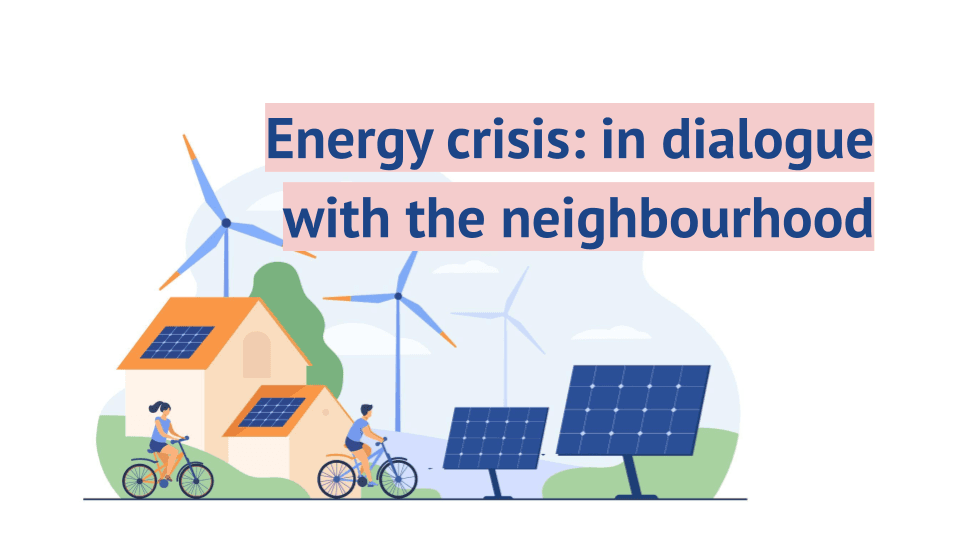
And now we are seeing the same thing happening with the energy crisis. But that does not surprise us: the neighborhood offers huge potential in the face of rising energy prices. Think of car sharing and group purchases.
Moreover, 36 of our 120+ customers already addressed their Hoplr neighbourhoods concerning the energy crisis. To inspire others too, below we share the 9 ways they did.
Financial support

Emotional support

Info sessions

Help among residents

Initiatives from the neighborhood

Participation

Protection against scams

Efforts from the council

Group purchases

Social cohesion lies at the foundation of a resiliant neighborhood
Local community building has countless positive side effects for citizens. Including more sustainable actions, and hopefully lower energy bills.
Read about the dynamics that contribute to a resilient neighborhood in our white paper 'Neighborhood of the Future'.

Conclusion
Hoplr is there to reach out to local residents in the context of their neighborhood. So make use of it! We hope the above examples from some local councils and welfare organizations can inspire you to make use of the neighborhood potential yourself.
Frequently asked questions
How did municipalities use Hoplr during the energy crisis?
They shared support information, meetings and local measures, alongside calls for help and resident initiatives.
What could residents contribute?
Residents could help neighbors, share ideas and join local activities or collective initiatives.
Why combine information with practical calls to action?
Information explains the situation. A clear next step tells residents how to contribute or where to find support.
Are the grants and initiatives mentioned still available?
The article collects examples from 2022. Check current conditions with the responsible authority or organization.
Share this article